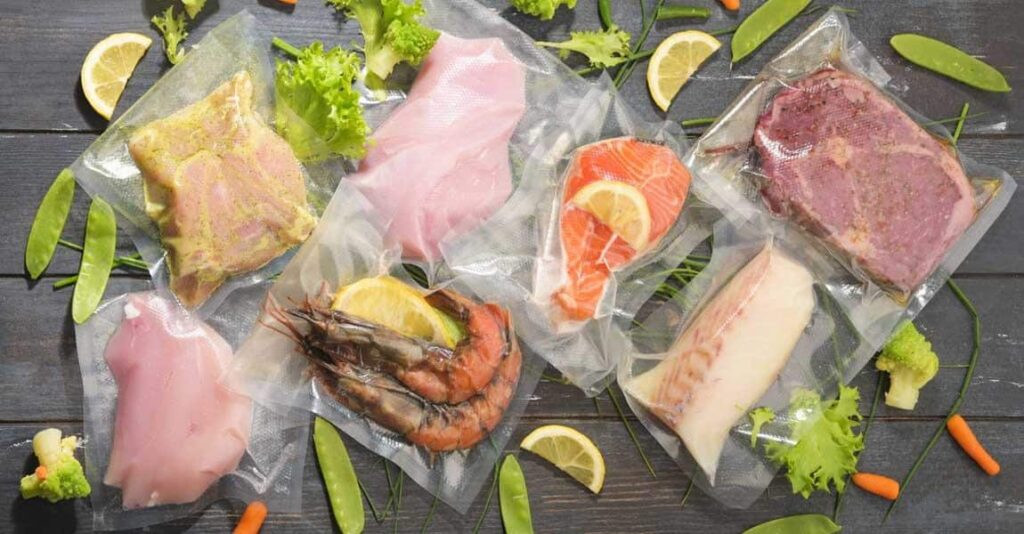
Vacuum sealing is increasingly recommended for food preservation. Whether intended for professional or private use, vacuum sealing offers numerous advantages. So what are the benefits of vacuum sealing your food? We discuss it in this article.
Vacuum sealing for healthy food preservation
All food items, whether fresh, solid, or liquid, are susceptible to rapid degradation. This degradation of food is caused by microorganisms, the majority of which thrive on oxygen. Therefore, proper preservation is necessary to ensure that the food does not become unfit for consumption. Thus, in the absence of air, the growth of microorganisms is slowed down, allowing you to keep your food for a little longer.
Vacuum sealing allows for the almost complete extraction of air contained in a food item or in the food packaging. It is a technique that helps reduce the development of germs. These germs are responsible for food fermentation. Vacuum sealing thus helps you avoid the risks of food spoilage caused by ice crystals when these foods are frozen.
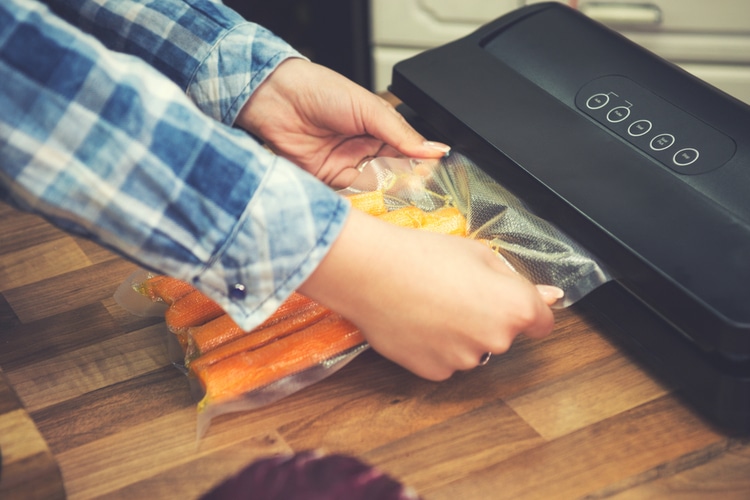
However, vacuum sealing will not alter the color, texture, or taste of your food. By opting for vacuum sealing, you can protect your food against dehydration as well as freezer burn. In addition to preserving the flavor compounds, the aromas of your food are retained, and whenever you wish, you can consume them with all their taste benefits. Vacuum sealing also helps reduce cross-contamination of food. As a result, you benefit from optimal preservation conditions for better customer satisfaction.
Vacuum sealing to stop wasting or losing your food
Since vacuum sealing helps reduce the proliferation of bacteria in food items, preservation lasts for long periods. You may wonder how long you can preserve your food using vacuum sealing? The answer is that this preservation technique allows you to keep your food in good condition three to four times longer than standard refrigeration or freezing. For example, meats that normally last 5 to 7 days in a refrigerator can be preserved for 20 to 25 days, or even a month, when vacuum sealed. This allows you to save money in your profession.
Moreover, vacuum sealing, through its flexibility, requires less handling. It only takes one container to protect, preserve, or even cook food. Thus, compared to traditional preservation methods, vacuum sealing makes food richer in vitamins. Vacuum sealing also allows for better stock management and facilitates storage. Consequently, you have better space release in storage areas. Finally, note that vacuum-sealed food products are protected by their packaging against potential shocks. They are therefore more convenient to transport.