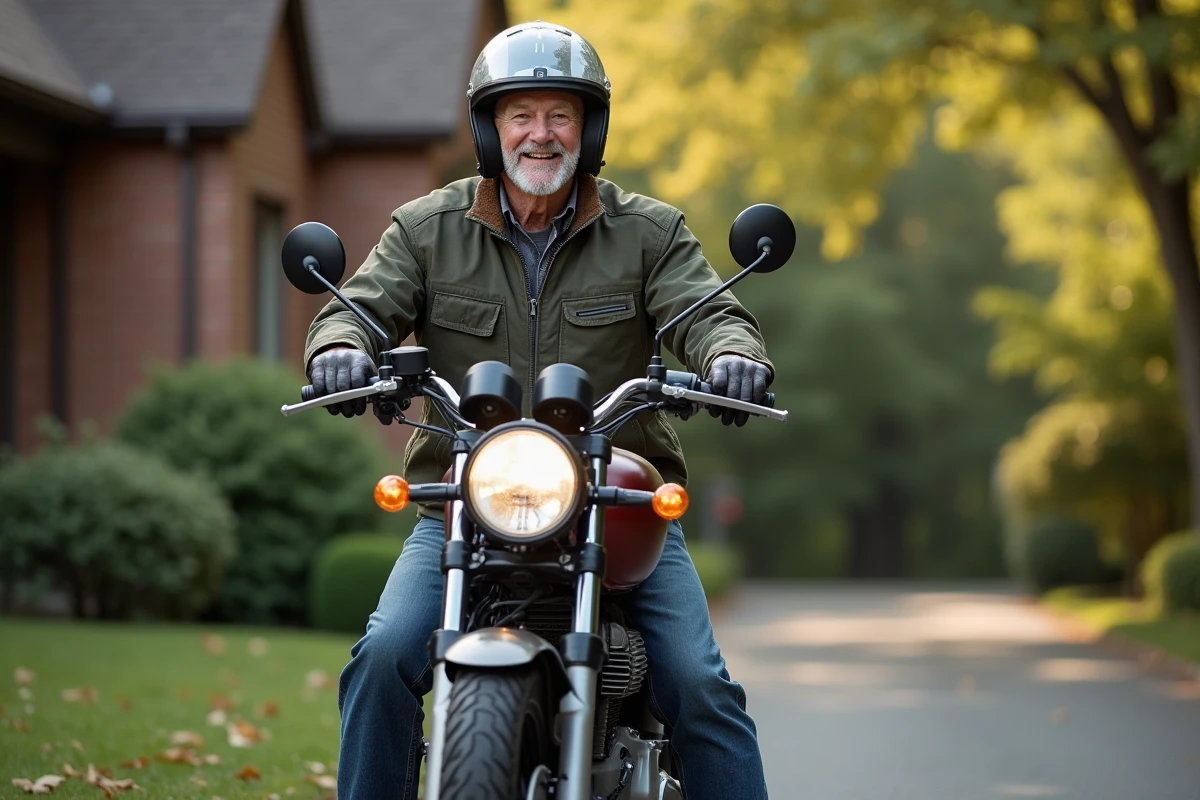
The highway code does not set any age limit for riding a motorcycle, but insurers often reassess coverage starting at age 70, or even refuse certain models. Some manufacturers offer lower seats and simplified controls, while most of the market continues to emphasize power and design, regardless of specific age-related needs. Statistics, however, show an increase in accidents among older riders, mainly related to maneuverability and the weight of the machines. The criteria for choice are radically altered after age 70.
The specific needs of riders over 70: what really needs to be considered
Riding still brings the same desire, but after age 70, one priority stands out: safety. The law does not impose any age barrier for riding a motorcycle, yet reality requires greater attention to every detail. In practice, over 30% of new riders in France are over 50: passion does not fade with time. However, after a certain point, it is necessary to focus on the concrete: prioritize maneuverability, ergonomics, a lightweight machine, an accessible seat, and controls that do not cause fatigue.
With experience, the senior rider sharpens their reflexes: regular practice, technical refreshers, uncompromising maintenance. Choosing a suitable motorcycle also means investing in solid safety equipment: approved helmet, certified gloves, high boots, and reinforced clothing. These protections are not only useful in case of a fall: they also enhance comfort, whether it rains, is hot, or cold.
Motorcycle insurance remains a requirement and a topic not to be taken lightly. Liability, theft coverage, rider protection, 0 km assistance, coverage for accessories: every element counts. To refine their choice, the best motorcycle for seniors offers practical advice to tailor the model to their profile, usage, and capabilities. Recommendations evolve, but vigilance must never wane.
What criteria to prioritize for a comfortable, safe, and easy-to-handle motorcycle at any age?
Choosing a comfortable motorcycle after age 70 is primarily about being methodical. Maneuverability becomes the top criterion: a lightweight machine, a well-placed center of gravity, a steering system that inspires confidence. When the motorcycle can be guided effortlessly, the road becomes a pleasure again, not a trial. Seat height plays a key role: being able to place each foot flat on the ground, gaining stability at traffic lights, avoiding imbalances when stopped. Manufacturers offer lower seats and adjustable suspensions to accommodate all body types.
The safety aspect leaves no room for approximation. Today, ABS braking and traction control are no longer gadgets: they provide reassurance on slippery or gravel roads, preventing many accidents. Onboard electronics do not detract from the enjoyment; they extend freedom and peace of mind. Over time, comfort becomes evident: well-designed seat, smooth controls, wind protection, reduced vibrations. Many seniors are turning to neo-retro models: timeless look, practicality, and innovations abound.
Here are the points to check to select the most suitable motorcycle:
- Controlled weight: ideally under 220 kg dry
- Low seat: between 75 and 80 cm
- Low center of gravity for balance
- Adjustable suspensions according to size
- ABS and traction control as standard
The choice also depends on usage: Sunday rides, daily commutes, multi-day getaways? Accessible touring or trail models focus on versatility, while roadsters demonstrate agility in the city. Customization also plays a role: more comfortable seat, adapted handlebars, heated grips. The joy of riding grows over time, thanks to thoughtful choices and consistent maintenance.
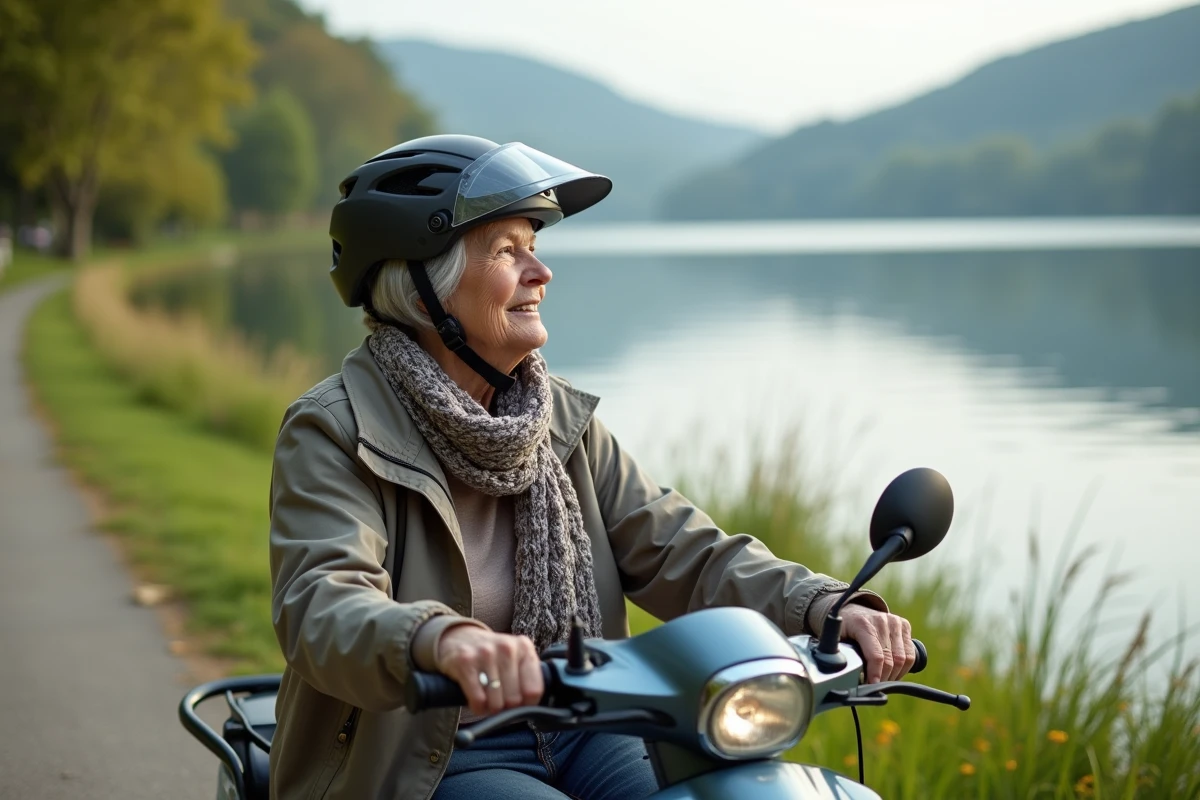
Our selection of motorcycle models suitable for seniors to ride with peace of mind
The market is evolving, driven by a generation of seniors who do not want to sacrifice anything, neither safety nor pleasure. Models designed for them combine maneuverability, comfort, and assistance technologies. Mid-sized trails and roadsters stand out: accessible, reassuring, easy to handle, they appeal to both seasoned riders and newcomers.
Some concrete examples: the Honda NC750X, praised for its low center of gravity and smooth controls. The Yamaha Tracer 700, which combines a natural riding position with electronic aids (ABS, traction). At BMW, the R 1250 RT remains the benchmark for long-distance comfort, while the G 310 GS stands out for its lightness. Vintage or neo-retro style enthusiasts are not forgotten: Triumph Bonneville T100, Royal Enfield Classic 350, both combining classic style with modern technologies.
For those prioritizing city or suburban riding, two models are widely agreed upon: Suzuki SV650 and Honda CB500X, which offer agility, low weight, and appreciable comfort.
To make the right choice, always check these aspects:
- Adjustable suspensions: adaptation to body type and road
- Low seat: stability when stopped for all sizes
- Specific motorcycle insurance: coverage tailored to age and usage
Customization is not a detail: a comfort seat, handlebar risers, heated grips change everything in daily life. Ergonomics, ease of controls, and simplicity of maintenance become decisive criteria. The selected models meet these expectations without stifling the passion for the road.
At 70 and beyond, riding a motorcycle does not mean giving up: it accompanies a renewed freedom, as long as each turn is approached with clarity and intact pleasure.