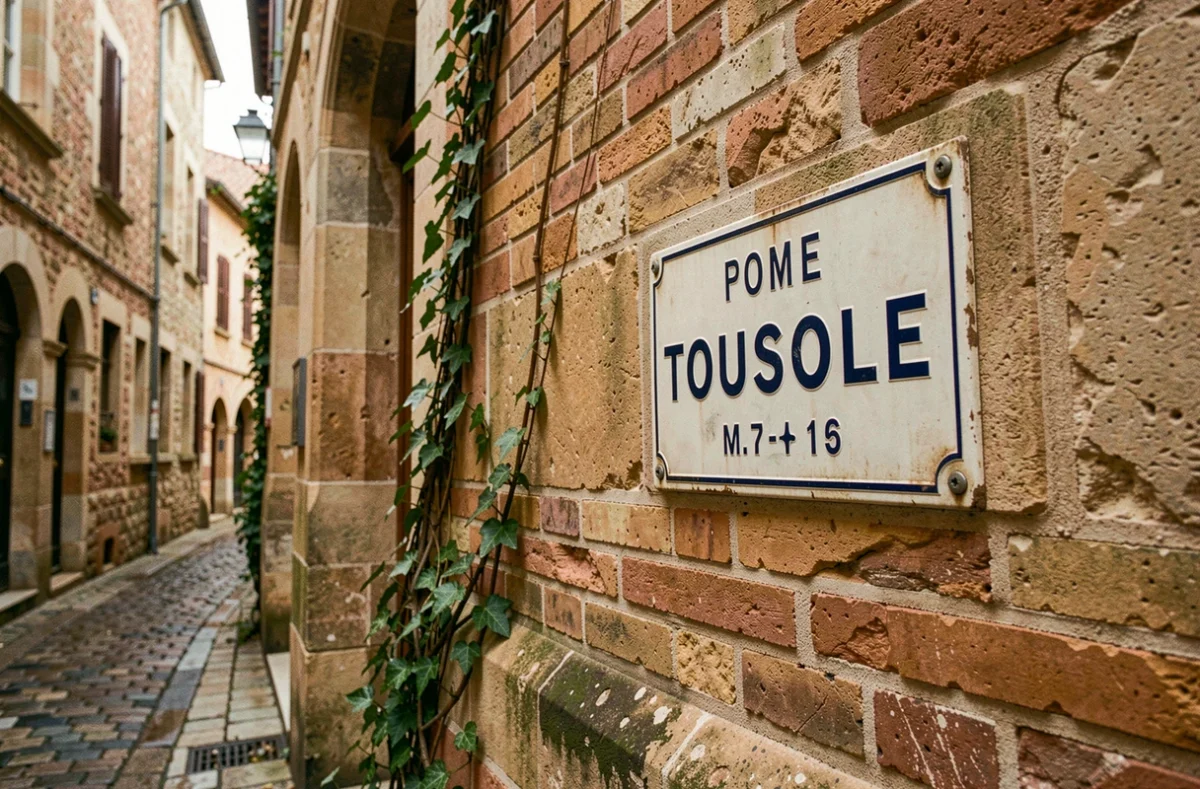
Toulouse uses six different postal codes to organize mail delivery throughout the municipality. Ranging from 31000 to 31500, these codes do not correspond to the city’s twenty official districts or to any arrondissement system, since Toulouse has none. Understanding how they work means looking back at the creation of the French postal code and examining how the system is applied in practice, street by street, in a city of this size.
Postal codes in France: a mail-sorting tool, not an administrative boundary
The French postal code system did not appear all at once. An initial coding system was tested from 1964, combining the department number with the first letters of the municipality’s name. The five-digit format we know today dates from 1972, when the Ministry of Posts, Telegraphs and Telephones assigned a code to each delivery office.
The system is based on a five-digit decimal code. The first two digits are the department number. The next three identify the mail delivery office. For prefectures, the suffix is simply “000”: Toulouse, the prefecture of Haute-Garonne (31), was therefore assigned 31000 as its base code.
This link to the delivery office explains something many residents discover only later: a postal code does not define a neighborhood; it identifies a delivery route. Two neighboring streets may have different codes if they are served by separate postal rounds. Conversely, a single code may cover areas with little in common in terms of urban layout or social makeup.
To learn more about Toulouse’s postal codes and neighborhoods, it is important to distinguish between two overlapping ways of looking at the city: La Poste’s system, designed for logistical efficiency, and residents’ understanding of the city, shaped by neighborhood identity.
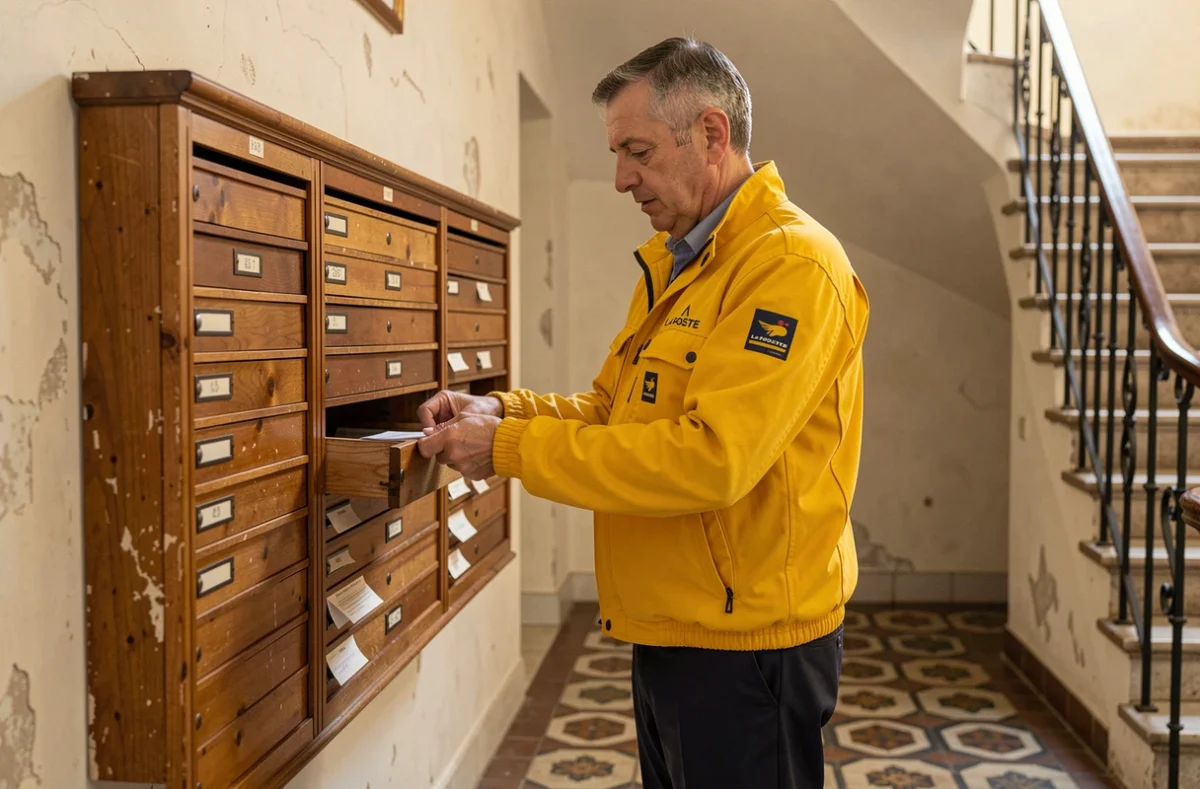
Toulouse’s six postal codes: geographic distribution and delivery logic
Toulouse has six postal codes: 31000, 31100, 31200, 31300, 31400 and 31500. Their distribution does not follow concentric zones or a regular north–south pattern. It reflects the historical organization of postal rounds and the city’s successive periods of urban growth.
- 31000 covers the historic center and part of the right bank, around the Capitole, Carmes and Saint-Étienne. It is the prefecture’s “default” code.
- 31100 covers a large area to the southwest, including Saint-Cyprien on the left bank and extending toward Patte d’Oie and beyond.
- 31200 covers the northwest of the municipality, around Sept Deniers and beyond the Brienne Canal.
- 31300 covers the north and northeast, including Minimes and Bonnefoy.
- 31400 serves the south and southeast, from Rangueil to Montaudran, including part of the university campus.
- 31500 covers the east of the municipality, around Marengo, the Matabiau station area and neighboring districts.
The exact boundaries of these areas are not set in stone. The National Address Database lists more than three thousand streets in the municipality of Toulouse, and the street name determines the postal code—not the street number, except for a handful of long streets that cross two zones.
Streets covered by two postal codes: a specific feature of Toulouse
One distinctive feature of Toulouse’s system is that around ten streets have two different postal codes, depending on the street number. This is rare nationwide, but it affects enough streets in Toulouse to cause recurring errors on administrative forms and with deliveries.
In these cases, the building number determines which code applies. Someone at one end of a street may have the code 31000, while a neighbor a few hundred meters away has 31500. Postal databases handle these streets individually, but online shopping platforms and registration forms do not always account for this detail.
The consequences are tangible: a misrouted parcel, a returned voter registration, or an insurance policy linked to the wrong area. For residents affected, checking their postal code directly through the National Address Database or La Poste’s search tool remains the most reliable approach.
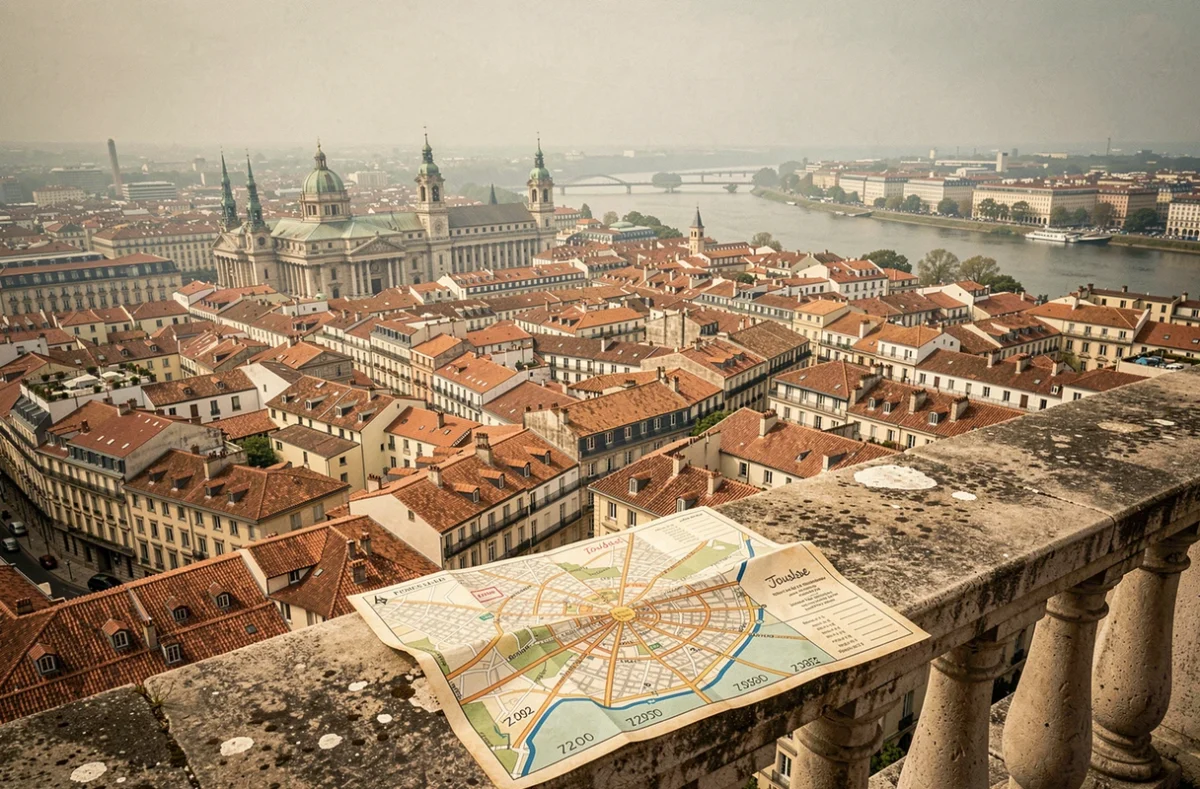
Toulouse’s postal code and INSEE code: two identifiers not to confuse
Toulouse’s INSEE code is 31555. This number identifies the municipality in the French government’s statistical and administrative records. It never changes, regardless of the neighborhood or street.
The postal code, by contrast, varies within the municipality. This difference often causes confusion when completing online forms. A form asking for a “municipality code” requires the INSEE code. A “postal code” field requires one of the six delivery codes. Entering 31000 when the system expects 31555 (or vice versa) will prevent the form from being submitted.
The distinction may seem minor, but it reflects two incompatible systems: the INSEE code identifies a territory, while the postal code organizes a delivery route. Toulouse illustrates this well: six postal codes coexist with a single INSEE code.
Neighboring municipalities
Some municipalities in Toulouse Métropole share the same delivery office as a Toulouse neighborhood. A postal code beginning with 31 does not guarantee that an address is within Toulouse proper. Blagnac, Colomiers and Tournefeuille have their own codes, but confusion persists in border areas, particularly for addresses close to municipal boundaries.
Toulouse’s postal boundaries do not align with any existing administrative map. Six codes, more than three thousand streets, a few streets spanning two zones and a single INSEE code: the system works for mail, but it requires a little extra checking when used for other purposes.