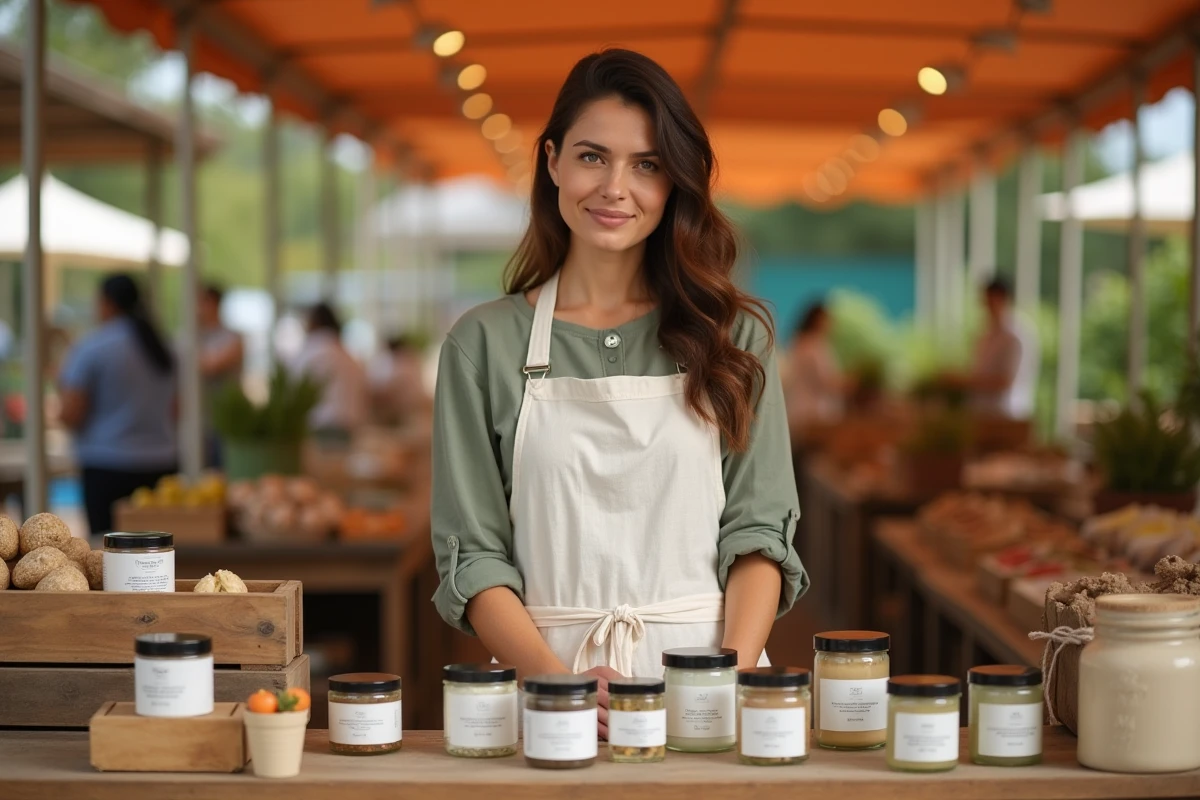
A juice bar that also offers express nail care, a healthy coffee shop combined with a brow bar: these hybrid formats are no longer just anecdotes. They reflect a structured demand around overall well-being, where nutrition and appearance are sold at the same counter. Starting a business in the food and beauty sector requires understanding this convergence before choosing a concept, status, or location.
Hybrid food and beauty concepts: the intersection that creates value
Business idea lists treat food service and cosmetics as two separate silos. In practice, concepts that perform well in city centers and premium areas merge the two. A healthy dining space paired with a quick beauty service (manicure, express facial) attracts customers looking for a moment of global self-care in a single trip.
This positioning works because it increases the time spent on-site and the average basket size. A cold-pressed juice is sold while the customer waits for their treatment, or vice versa. The fixed costs of the location are shared between two activities with complementary margins.
To explore the business models that articulate food and beauty within the same project, you can visit fourchette-mascara.com to learn more about the concrete opportunities in each sector.
The classic trap: wanting to offer a complete food menu and an extensive range of treatments from the launch. Feedback varies on this point, but successful formats start with a narrow offering (three or four food items, one or two beauty services) and then expand based on actual demand.
Beauty truck and mobile spa: starting with reduced fixed costs
The food truck has proven that one can launch a food service business without a commercial lease. The same principle applies to beauty. Beauty trucks, nail trucks, and mobile barbershops are emerging in the French market, with a direct advantage: no fixed rent, strategic mobility.
The vehicle is positioned where the demand is. Office areas at lunchtime, festivals on weekends, weddings in season. The entry cost remains that of the outfitted vehicle and compliance with health regulations, significantly lower than a lease in the city center.
Points of caution before launching mobile
- Regulations differ depending on whether you sell food products or provide beauty treatments: public domain occupation permits, hygiene standards, and insurance requirements are not the same
- The interior layout of the vehicle must allow for a smooth customer flow, with even a minimal waiting area; otherwise, passing customers will be lost
- Profitability depends on the number of locations negotiated in advance: without a stable rotation schedule, revenue remains unpredictable
This model is particularly suitable for entrepreneurs who want to test a food or beauty concept before investing in a permanent location. You validate demand, refine the offering, and build a base of loyal customers.
Food and beauty co-branding: an underutilized acquisition lever
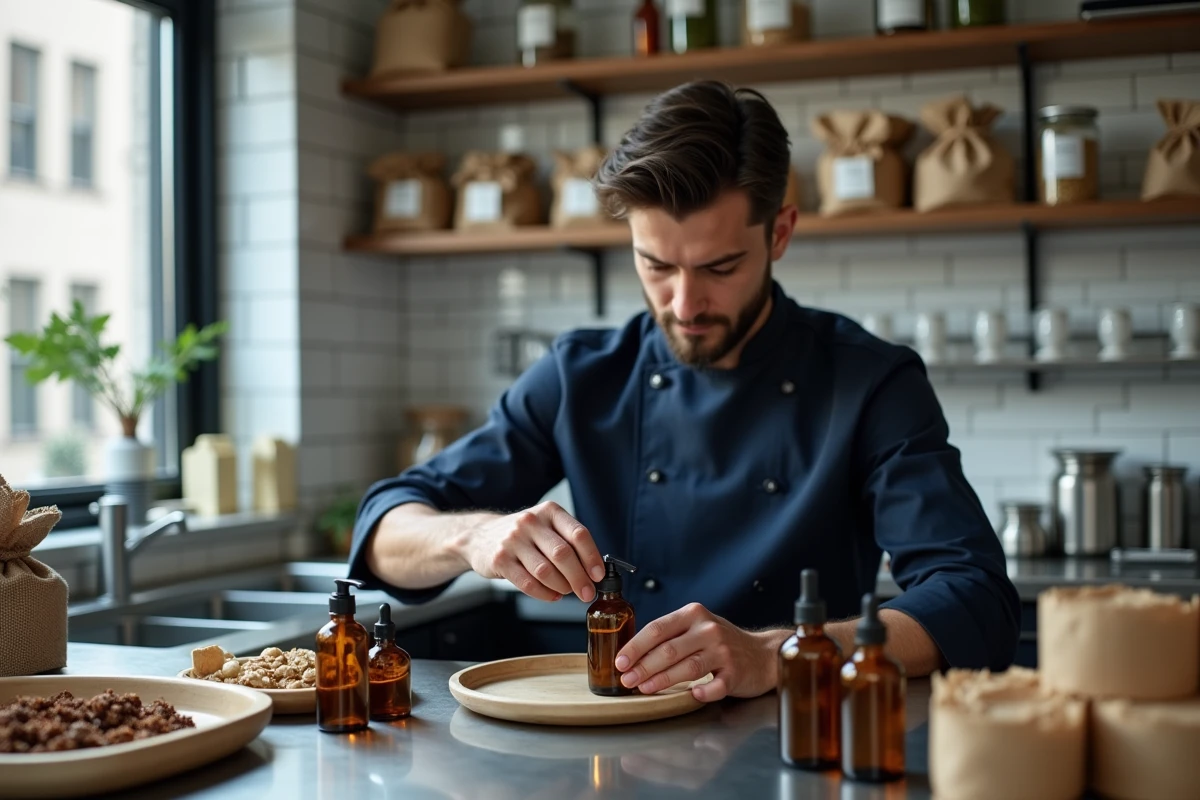
Launching your brand alone is expensive in terms of visibility. Co-branding between a food brand and a beauty brand allows you to share audiences and reduce customer acquisition costs. An artisanal roaster co-developing a coffee grounds scrub with a cosmetic lab, a honey brand collaborating with a lip care line: these combinations create novelty without starting from scratch.
These operations also work in physical spaces. A pop-up store shared between a caterer and a natural skincare brand splits the rent, doubles the traffic, and generates content for both partners’ social media.
Structuring a solid co-branding partnership
Everything should be formalized in writing before launch: cost-sharing for production, ownership of recipes or formulations, duration of the operation, management of unsold stock. Without a clear agreement, the first commercial disagreement can destroy the collaboration and the reputation of both brands.
Co-branding works best when both brands share consistent production values (organic, local, artisanal) and target audiences that overlap without cannibalizing each other. An industrial energy drink associated with a natural cosmetic brand sends a contradictory signal.

Key skills and common mistakes for starting in food and beauty
The cross-functional skills in these two sectors are not what one might first imagine. Mastery of social media and visual content creation is as important as technical know-how. A food or cosmetic product sells primarily through its image, especially during the launch phase.
- Product regulations are the first hurdle: cosmetic standards and food standards adhere to distinct frameworks, and selling both from the same legal structure often requires dual registration
- Managing perishable stock (food) and shelf life dates (cosmetics) requires logistical rigor from day one, not after the first incident
- The personal branding of the founder often generates more traction than the brand itself at the start: investing time in content creation on social media is not optional
The most costly mistake remains developing a product for months without confronting the concept with the market. An online pre-sale, a temporary stand, or a beauty truck allows for gathering real customer feedback before committing significant sums to production or setup.
Starting a business in the food and beauty sector relies on a constant balancing act between concept creativity and operational rigor. Hybrid, mobile, or co-branding formats offer accessible entry points, provided each hypothesis is validated on the ground before scaling.