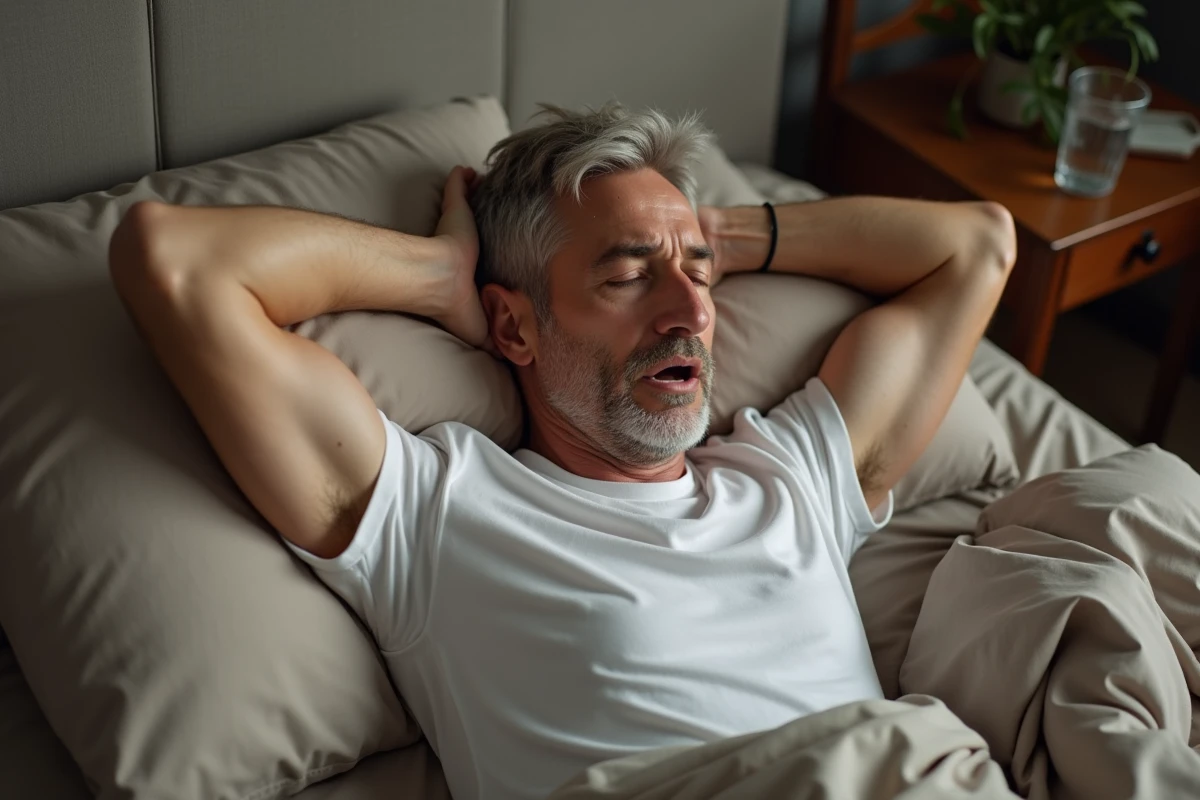
Ronchopathy is not just a bothersome noise for the partner. Behind this medical term lies a spectrum of pharyngeal dysfunctions, the management of which depends on a precise etiological diagnosis. Here, we address the areas least covered by mainstream literature: the underestimated role of respiratory allergies, oro-pharyngeal rehabilitation, and the subtle clinical signals that point towards obstructive sleep apnea syndrome (OSAS) even in the absence of loud snoring.
Ronchopathy and respiratory allergies: a neglected link in diagnosis
Chronic allergic rhinitis, allergies to dust mites or pillow feathers cause nasal obstruction that forces mouth breathing during sleep. This shift to oral ventilation alters the dynamics of the upper airways: the airflow takes a narrower path, accelerates at the level of the soft palate and uvula, and generates the characteristic vibrations of snoring.
We observe that the allergic component is rarely investigated as a first-line approach in patients consulting for ronchopathy. Most assessments focus on pharyngeal anatomy or polysomnography, while a simple prick test or specific IgE measurement can reveal a trigger factor treatable with antihistamines or allergen avoidance.
Changing pillow filling (replacing feathers with hypoallergenic synthetic materials), using dust mite-proof covers, and airing the room daily are measures that, for some patients, are sufficient to significantly reduce the frequency of snoring. As detailed in articles from Toujours Le Bon Choix, ronchopathy deserves a comprehensive approach that integrates the sleep environment into the initial assessment.

Oro-pharyngeal rehabilitation: tongue and soft palate exercises against snoring
Mandibular advancement devices and CPAP (continuous positive airway pressure) remain the reference treatments. Oro-pharyngeal rehabilitation is gaining traction as an alternative or complement, supported by encouraging feedback from sleep physicians and pharmacists.
The principle is based on targeted muscle strengthening of the tongue, soft palate, and pharyngeal dilator muscles. Online guided programs (e-health) offer daily exercise series lasting a few minutes.
Examples of exercises used in practice
- Pressing the tongue against the hard palate, held for several seconds, repeated in sets. This exercise tones the genioglossus muscle, which prevents the tongue from falling back during sleep.
- Prolonged pronunciation of open vowels (“a”, “o”) while forcing the elevation of the soft palate, to work the palatopharyngeal muscles.
- Alternating puffing of the cheeks while keeping the lips closed, which engages the buccinator and strengthens the lateral tone of the throat.
We recommend these exercises as a first-line approach for patients with simple ronchopathy without severity criteria for OSAS. Regularity is more important than the duration of each session. The main limitation remains adherence: without structured follow-up, most patients abandon after a few weeks.
Subtle nocturnal symptoms: when snoring masks sleep apnea
Loud snoring naturally leads to further exploration. The clinical trap concerns patients whose snoring remains moderate but who experience micro-awakenings with a sensation of suffocation, a very dry mouth upon waking, or unexplained daytime sleepiness.
These three signals, even in isolation, point towards a picture of obstructive sleep apnea. The apnea-hypopnea index (AHI), measured by ventilatory polygraphy or polysomnography, remains the reference examination for diagnosing OSAS.
Clinical signs to monitor in the partner and the patient
The bed partner often serves as the first witness. Audible breathing pauses during sleep, followed by a loud resumption, indicate clear apneas. In the patient themselves, early nocturnal awakenings accompanied by anxiety or chest discomfort should prompt a consultation with a sleep physician, even if the intensity of the snoring seems trivial.
Daytime sleepiness is assessed using the Epworth scale, a standardized tool that any healthcare professional can administer in consultation. A high score combined with snoring, even if discreet, justifies a polygraphy.
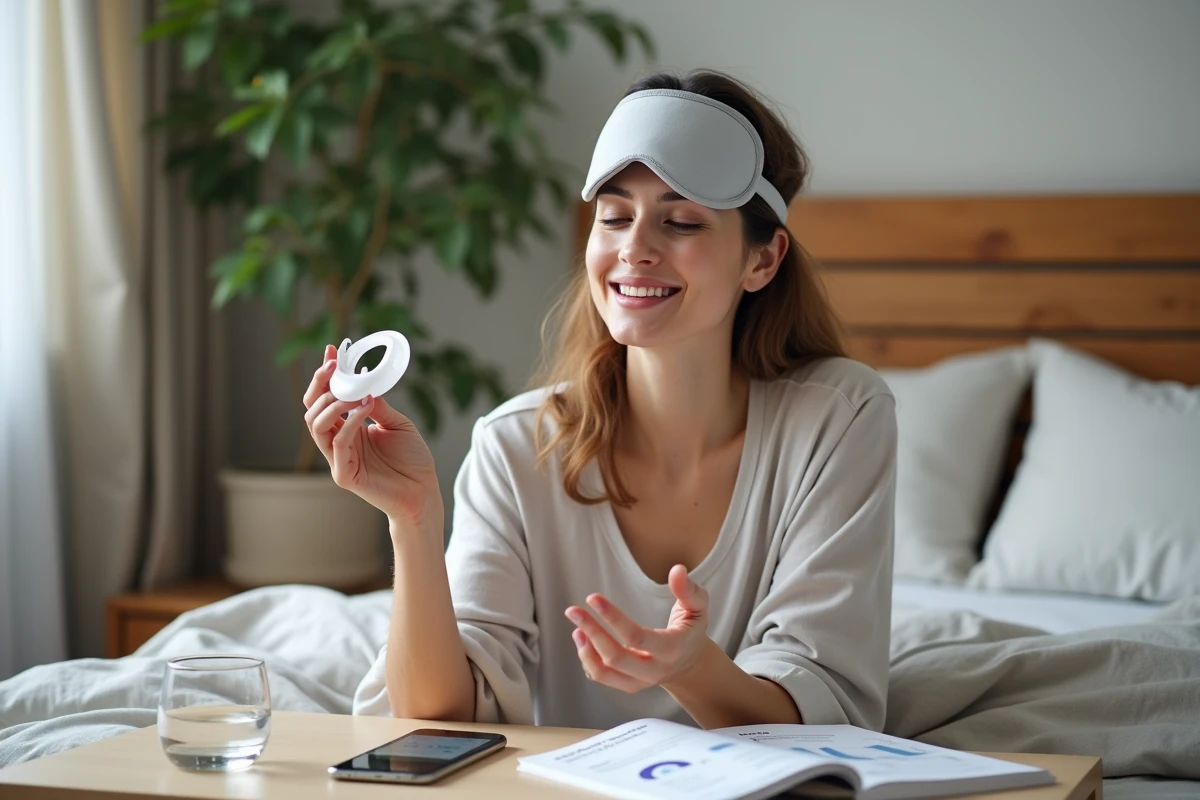
Treatment of ronchopathy: prioritizing options according to the patient’s profile
The therapeutic approach depends on the etiological diagnosis. Treating ronchopathy without having identified its cause amounts to masking a symptom.
- Positional ronchopathy (worsened in the supine position): an anti-decubitus device or a positional pillow is often sufficient. Some mobile applications record sleep position and alert the sleeper through vibration.
- Ronchopathy related to chronic nasal obstruction (allergic or structural): treatment of rhinitis, or even septoplasty if a significant septal deviation is documented by the ENT doctor.
- Ronchopathy with confirmed OSAS (high AHI): CPAP remains the reference treatment. The mandibular advancement device, custom-made by a trained dentist, is the alternative for patients intolerant to CPAP or presenting with moderate OSAS.
- Simple ronchopathy without OSAS or nasal obstruction: oro-pharyngeal rehabilitation, weight loss if overweight, reduction of evening alcohol consumption, and stress management, which increases cervical muscle tension and disrupts sleep architecture.
Each patient requires an individualized assessment before any prescription. Surgery of the soft palate (uvulopalatopharyngoplasty) is only considered as a last resort, after failure of conservative treatments, and its long-term results remain debated among professionals.
Ronchopathy lies at the intersection of ENT, pulmonology, and allergology. A primary care physician who identifies sleep disorders associated with snoring should quickly refer to a sleep specialist rather than multiplying symptomatic treatments. The allergy assessment, still too rarely prescribed in this context, deserves a systematic place in the decision tree.