
Picon beer owes its digestive reputation to three bitter plants, not to the alcohol that carries them. Confusing the vehicle and the active principles leads to shortcuts that scientific literature does not validate. The composition of Picon, based on orange peel, gentian, and cinchona, places this liqueur in the family of aromatic bitters intended for aperitif, whose mechanism of action on the digestive sphere deserves careful examination.
Gentian, cinchona, and orange peel: pharmacology of the bitters in Picon
Gentian contains iridoids and secoiridoids, primarily amarogentin, considered one of the most bitter natural substances known. These molecules activate the bitter taste receptors (TAS2R family) present not only on the tongue but also in the stomach and intestines.
Activation of these receptors stimulates the secretion of gastrin and cholecystokinin, two hormones that accelerate gastric emptying and bile release. Cinchona acts through a similar mechanism, via quinine and its related alkaloids, which provoke a measurable gastric secretory response.
Orange peel provides flavonoids (naringin, neohesperidin) that enhance the tone of the lower esophageal sphincter. In the context of concentrated extract or tincture, these effects are documented. We will see later why dilution in beer and the presence of ethanol radically change the situation. An article detailing the benefits of Picon beer on Butterfly Mag also addresses this paradox between tradition and physiology.
Alcohol and digestion: why Picon beer does not work like a plant extract
Ethanol cancels out some of the benefits attributed to bitters. Reviews published in Nutrients in 2021 and Frontiers in Nutrition in 2022 remind us that the presence of alcohol complicates the interpretation of digestive effects and can exacerbate reflux and gastrointestinal disorders, even at moderate doses.
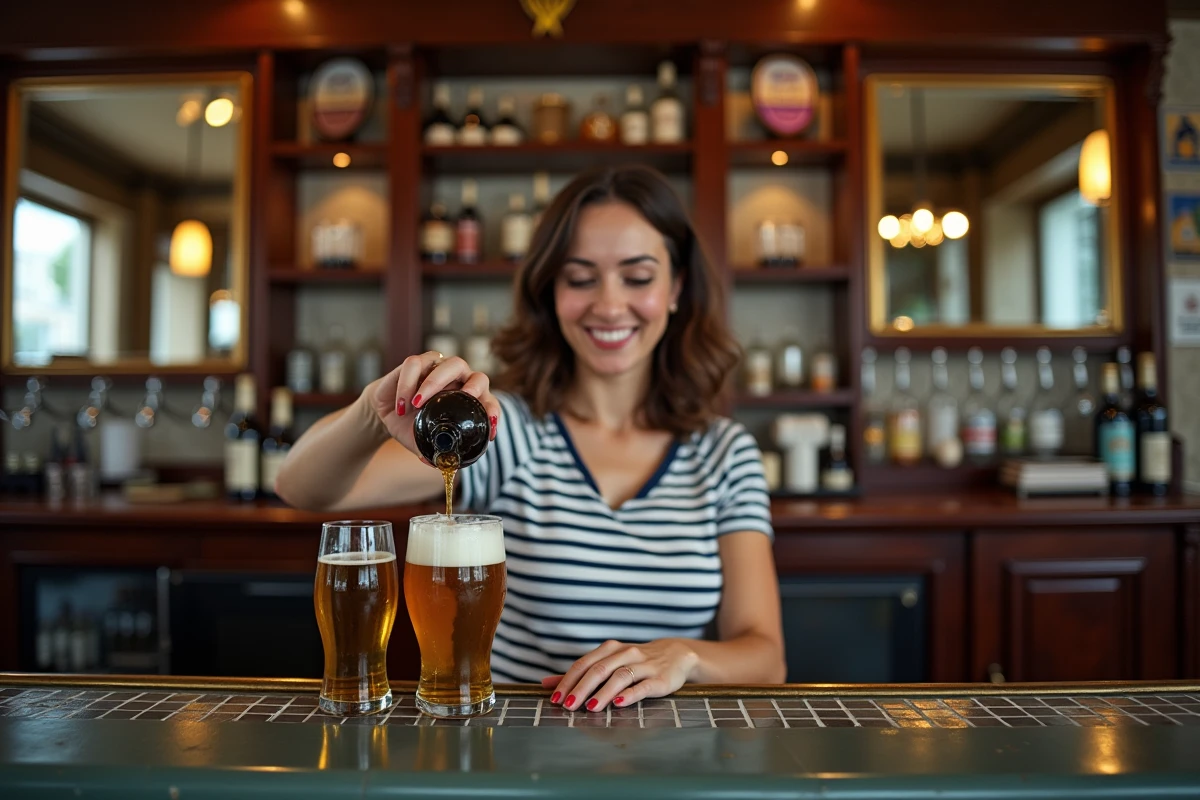
A standard Picon beer combines the liqueur (about 18% vol.) with a blonde beer, placing the final glass in a significant alcoholic range. Alcohol relaxes the lower esophageal sphincter, promotes acid reflux, and irritates the gastric mucosa. These effects directly oppose the protective action that naringin from orange peel exerts in a non-alcoholic environment.
Public Health France and the National Cancer Institute, in their updates from 2022-2023, emphasize a clear point: no alcohol provides demonstrated health benefits, including on digestion. The belief in the “little glass for digestion” is rooted in culture, not science.
The trap of subjective sensation
The perception of “better digestion” after a bitter alcoholic drink is explained by a misleading mechanism. Bitterness triggers a salivation reflex and a brief acceleration of gastric peristalsis. Alcohol, on the other hand, induces a sensation of warmth and smooth muscle relaxation that resembles comfort.
The subject feels immediate relief, but overall intestinal motility slows down in the following hours. We observe here a classic temporal gap between perceived sensation and physiological reality.
Gut microbiota and beer: do polyphenols change the equation?
Recent studies on the microbiota show that beer, consumed in moderation, provides polyphenols from malt and hops that could promote intestinal bacterial diversity. Initial published data suggest a potential prebiotic effect of certain compounds in hops.
Two major reservations apply:
- These studies focus on beer alone, not on a mixture with a sweet bitter liqueur containing caramel and sugar syrup, which alters the glycemic load of the drink.
- The observed effects on the microbiota concern very moderate consumption (a maximum of one glass per day), while Picon beer is rarely consumed in such measured quantities during an aperitif.
- No controlled clinical study has specifically tested Picon beer as a drink on human digestive markers.
The complete absence of clinical trials on Picon beer prohibits any health claims. Extrapolating the properties of gentian in standardized extract to a sweet, alcoholic aperitif cocktail constitutes a methodological error.
Picon beer and digestive bitters: what distinguishes traditional use from proven benefit
Gaétan Picon formulated his liqueur in 1837 in Algeria, as an anti-malaria remedy for colonial troops. Cinchona indeed served as a source of quinine, the only known treatment for malaria at the time. The digestive use came later, through cultural shift, when the drink migrated to the counters of Northern and Eastern France.
This historical trajectory explains why Picon beer retains a medicinal aura in the collective imagination. The pharmacological reality is more nuanced:
- The concentrations of active principles (amarogentin, quinine, naringin) in a glass of Picon beer are much lower than the doses used in studies on digestive bitters.
- The added sugar (caramel, syrup) and alcohol create a metabolic context unfavorable to optimal digestion.
- A gentian extract in herbal tea or mother tincture acts on the same receptors without the drawbacks of ethanol or caloric load.
Non-alcoholic alternatives for a real bitter effect
For those seeking the stimulating effect of bitters on digestion, an infusion of fresh gentian or a non-alcoholic bitter (a rapidly expanding category in France) activates the same TAS2R receptors. Freshly squeezed lemon in warm water provides a mild bitterness sufficient to stimulate bile secretion without any gastric side effects.
Picon beer remains an aperitif drink with a remarkable taste profile, rooted in the brewing culture of Eastern France. Attributing digestive virtues to it based on its botanical ingredients amounts to confusing a medicinal plant with the cocktail that contains a diluted fraction of it. The aperitif tradition and digestive physiology respond to distinct logics, and the pleasure of a well-measured Picon beer does not need a health alibi to justify itself.